

Common Health Issues and Care Needs of a French Bulldog
The sturdy, push-faced French bulldog has seen a huge rise in popularity, usurping the Labrador retriever from its 31-year reign as America's most loved purebred dog. Social media may be partly to the blame.
But what is it that makes the Frenchie such a wonderful breed to own? Their charming personalities are the answer. They also have a few quirks that are worth noting.
Characteristics
A French Bulldog is a jolly, affectionate companion with an individual personality. They are great family pets, and they are great with children. They are also good around other pets and animals. They can be a bit shy when it comes to strangers. In addition, they are likely to snore and drink and snore, which can be annoying for some owners.
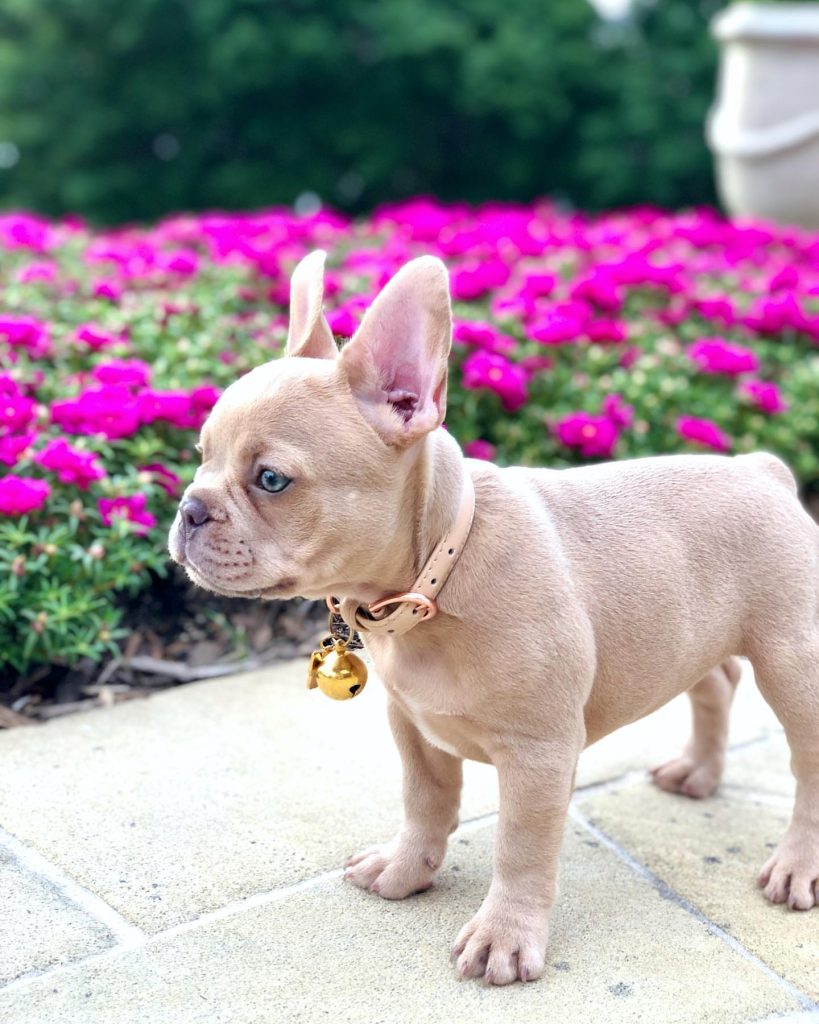
They have a smooth silky coat that comes in various colors and patterns. They are also renowned for their wrinkles and supple, soft skin. They shed a bit and require regular grooming to keep looking their best. However, the shed isn't as bad as other breeds and a little bit of grooming can go quite a ways.
Frenchies have moderate energy levels and are a breeze to train. They are great playmates for active families However, they also love quiet time sitting on the couch with their owners. They are able to adapt to different living conditions, including apartment living. However, they do need daily walks and visits to the dog park to stay active. They also love swimming and running around the yard.
The most prevalent health issues of the French Bulldog include brachycephalic obstructive airway syndrome and hip dysplasia. The latter condition is caused by the short face structure that causes the tissues in the nose and throat to squish together. This can lead to breathing difficulties and heatstroke in hot weather. The latter is a joint condition that affects the kneecaps as well as hip sockets. It is treatable with medication and physical therapy.
Despite their health issues, owners are extremely satisfied with these dogs. They are affectionate and loyal and enjoy spending time with their owners. They also get along with other pets as well as children. Many owners say their dogs are family members.
A study revealed that satisfaction among owners increased with first-time ownership and the degree of the dog-owner bond. However owners who viewed their pet's health as less than ideal had fewer positive opinions about the breed. Additionally, the likelihood of recommending the breed to others decreased with the amount of conformation-related health problems and the owner's perception that their dog's behavior were worse than expected.
Health concerns
Frenchies are prone to a variety of health issues, however the majority of them can be cured by regular exercise and a healthy diet. This includes a diet that is low in fat and sugar and will stop excessive weight gain. To keep hydrated, they must also drink plenty of water. Another common problem is a stomach that is sensitive, which can cause gastrointestinal discomfort, such as constipation and diarrhea. A veterinarian may prescribe a diet to assist in addressing these issues.
Frenchies may develop arthritis or other mobility issues later in life due to their shortened legs. This is due to the fact that the kneecaps (patella) can move out of position which causes your dog to sway or swerve when walking. This is referred to as patella luxation, and is common in smaller breeds. Treatment options range from rest to surgery.
Frenchies may have breathing issues due to their brachycephalic form. This is because their slender faces make it difficult to breathe for them than longer-nosed breeds. They also may have difficulty recovering from anesthesia when their airways become inflamed.
Other health issues that could be a concern include a genetic predisposition to eye diseases, such as corneal dystrophies, glaucoma and corneal dystrophies, and a tendency to get hot easily. This can be caused by an overactive thyroid gland which is common among this breed. In addition they are susceptible to kidney stones and bladder stones. These stones are made from the crystal called cystine which is extremely irritating to the bladder. The vet can dissolve them by the help of a prescribed diet that increases the acidity of the urine, or surgically remove them from the bladder.
Like all dogs, it's essential to take your French Bulldog to the vet for regular examinations and vaccinations. A healthy pup is more likely to live a a long and happy life with you.
Training
Frenchies are affectionate, playful dogs that make wonderful companions. These pups are easily trained and are able to adapt to different environments. They are great for families with children and other pets. They also work well in apartments. They can however be prone to snoring or drooling and may be sensitive to heat. They are also prone to respiratory illness and other health problems. Fortunately, many rescues and shelters are the home of adorable Frenchies that need loving homes.
Although Französische Bulldogge mit langer Nase kaufen cited ease of training as a reason to endorse their breed, others have reported difficulties in training their pet. These difficulties were often attributed by owners to the stubbornness of French bulldogs. Training with a professional trainer can ease the challenges.
Dog trainers specialize in teaching obedience and methods to modify behavior. They also assist owners in addressing problems with behavior and improve their relationship with their pet. They are able to provide custom-designed training programs and deal with various breeds of dogs. The fees they charge are based on the type of services and the length of each program.
Numerous research studies have investigated the motivations of dog owners. One study revealed that owners who are motivated externally tend to buy trendy breeds as part of an "personal identity project," whereas intrinsically motivated owners see their pets as members of their family. The latter group is more interested in innately satisfying goals and want to understand the unique personalities of their pets.
When choosing a dog trainer, you should look for an experienced, qualified professional with a deep understanding of positive reinforcement training. A reliable trainer will employ positive reinforcement to increase obedience and strengthen the overall bond between dog and owner. They also have a deep knowledge of canine anatomy and behavior. They will also be able to recommend an appropriate diet for the breed and provide other important details.
Care
Frenchies require a lot of care to live a long, healthy life. They're not suitable for new dog owners who aren't willing to commit to their unique needs. The playful breed loves being with family, friends, or with other dogs. If you are the owner of the French bulldog, you need to know their common health issues and specific care requirements so that you can provide them with a loving home.
This small breed is playful and affectionate, making it easy to train. They're also easy-going dogs that do not require much exercise. They can be very intelligent and quick to learn despite their laid-back personalities. Frenchies are often frustrated by repetitive training activities. Make sure that your sessions are enjoyable and positive.
Because of their pushed-in faces, Frenchies can have breathing difficulties, especially in hot weather. They're susceptible to skin issues and ear infections as well. They are also at risk of accidents due to their short legs and awkward gaits.
Frenchies, unlike many other breeds of dogs, do not bark unless they are required. They are nevertheless, protective companions and will protect their people and possessions by living their lives. This makes them great dogs for the home, who are happy to spend a lot of their time in the indoors. Regardless of their indoor habits they still require daily walks and trips to the parks for socialization.
The short, smooth coat of the French bulldog is easy to maintain. They are available in many colors and markings that include white cream, fawn, (ranging from light fawn to red), and black. They also come with brindle, spotted or piebald patterns.
The process of getting a new puppy can be overwhelming and overwhelming, especially if you've not done your research. You'll also need to organize your home and purchase supplies for your new puppy. Find pet insurance as quickly as you can in order to ensure your puppy is healthy and happy life.
BlueHaven offers the ability to compare quotes from the top insurance companies for pets. You will find affordable options for your furry companion. You can also open the pet savings account to pay for your dog's medical expenses.